
CLIMATE CHANGE ADAPTATION: OUR APPROACH TO SARE YAFFA RANCH
INTRODUCTION
In the heart of rural Gambia, Sare Yaffa Ranch stands as both a symbol of tradition and a beacon of progress. For generations, livestock farming has been a way of life for the families in this region, providing food, income, and a sense of identity. But in recent years, climate change has introduced new and urgent challenges. Rising temperatures, unpredictable rainfall, prolonged dry seasons, and dwindling pastureland have made it increasingly difficult for farmers to maintain healthy herds and secure their livelihoods.
At Sare Yaffa Ranch, these realities are deeply felt. However, rather than allowing climate change to dictate their future, the community has responded with determination and innovation. Through a thoughtful blend of indigenous knowledge and modern techniques, Sare Yaffa has developed a practical, people-centered approach to climate change adaptation.
This blog highlights the journey of Sare Yaffa Ranch as it embraces sustainable livestock farming to build resilience. From borehole water system and rotational grazing to community training and improved fodder storage, each strategy reflects a commitment to long-term environmental care and rural empowerment. As climate pressures grow, Sare Yaffa Ranch offers a powerful example of how adaptation, collaboration, and local action can secure a better future for farming in The Gambia.
WHAT IS CLIMATE CHANGE ADAPTATION?
Climate change adaptation refers to the process through which individuals, communities, governments, and ecosystems adjust to the impacts of climate change, both current and anticipated. This adjustment aims to reduce the vulnerability of human and natural systems to the adverse effects of climate change, such as extreme weather events, rising temperatures, droughts, floods, and shifting agricultural seasons, while also seeking to enhance resilience and, where possible, take advantage of any potential opportunities that climate change might present.
IMPORTANCE OF CLIMATE CHANGE ADAPTATION
Climate change adaptation is crucial because it helps societies and ecosystems adjust to the changing climate, reducing the negative impacts and building resilience to future changes. It is about minimizing harm from events like sea level rise, extreme weather, and food shortages, while also enhancing well-being of economic stability.
Here are the must importance of climate change adaptation:
Protects Human Lives and Health
By reducing the dangers of extreme weather and diseases that are vulnerable to climate change, climate adaptation saves lives. By notifying populations about storms or heat waves, early warning systems help to minimize the number of fatalities. Hospital operations during disasters are guaranteed by climate-resilient health infrastructure.
Heat action plans prevent heatstroke in susceptible populations, such as the elderly. Adaptation also covers the rise of diseases associated with changing climates, such as malaria. Societies can avoid injuries and mental health problems by preparing for natural disasters like floods, droughts, and wildfires.
Ensures Food Security
Food supplies are at risk as a result of climate change’s disruption of agriculture due to pests, floods, and droughts. Despite unpredictable weather, adaptation, such as planting crops resistant to drought, increases output. Precision farming is an example of climate-smart agriculture that maximizes resources.
Crop diversification lessens dependency on individual harvests, protecting against failures. During severe weather, post-harvest losses are avoided with better storage techniques. By stabilizing food production, these actions guarantee that wholesome food is available.
Safeguards Water Resources
Changes in rainfall patterns brought on by climate change might result in flooding or water scarcity. Rainwater collecting is one adaptation technique that collects excess water for dry spells. Drip irrigation systems and other effective irrigation techniques save water for farming.
Overuse of rivers and aquifers is prevented via watershed management. Alternative water sources are provided by desalination and waste water recycling. These steps guarantee consistent access to potable, agricultural, and industrial water.
Water shortages could lead to conflicts and economic disruption if adaptation is not made. One of the most urgent issues of a changing climate is addressed by adaptation, which promotes human survival, ecological health, and economic stability through the sustainable use of water resource.
Reduces Economic Losses
Every year, climate disasters cause billions of dollars’ worth of damage to homes, companies, and infrastructure. By creating climate-proof systems, adaptation reduces these losses. Coastal cities are protected by flood barriers, and interruptions are avoided via robust supply lines. Repair expenses are reduced when structures are retrofitted to withstand storms.
By facilitating prompt evacuations, early warning systems lessen damage. Since prevention is less expensive than recovery, investing in adaptation makes financial sense. For instance, flood defenses can prevent five damage for every $1 spent.
Adaptation ensures that communities maintain their financial stability in the face of growing climate hazards by minimizing economic disruptions, protecting jobs, stabilizing markets, and promoting long-term prosperity.
CHALLENGES OF CLIMATE CHANGE ADAPTATION
Developing countries face a massive adaptation finance gap, with needs estimated at 10-18 times current public funding levels, limiting infrastructure like boreholes or resilient pastures. Information and knowledge gaps compound this, as many areas lack accurate local climate data, risk assessments, and robust monitoring systems for evaluating adaptation efforts.
Every year, climate disasters inflict billions in damages on homes, businesses, and infrastructure, overwhelming rural communities like those near Sare Yaffa. Additional hurdles include limited technology access for smallholder farmers, policy inconsistencies across regions, and social barriers such as gender disparities in training or resource control. Despite these, initiatives like Sare Yaffa Ranch’s Sustainable Farming Practices, show how targeted support can bridge gaps through local innovation.
Sare Yaffa Ranch Strategies
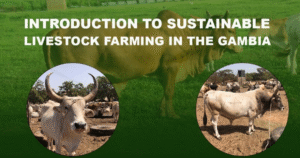
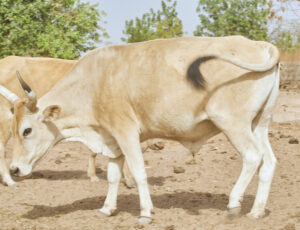
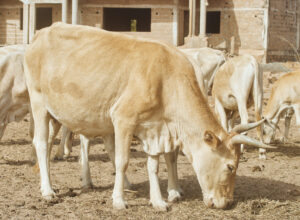
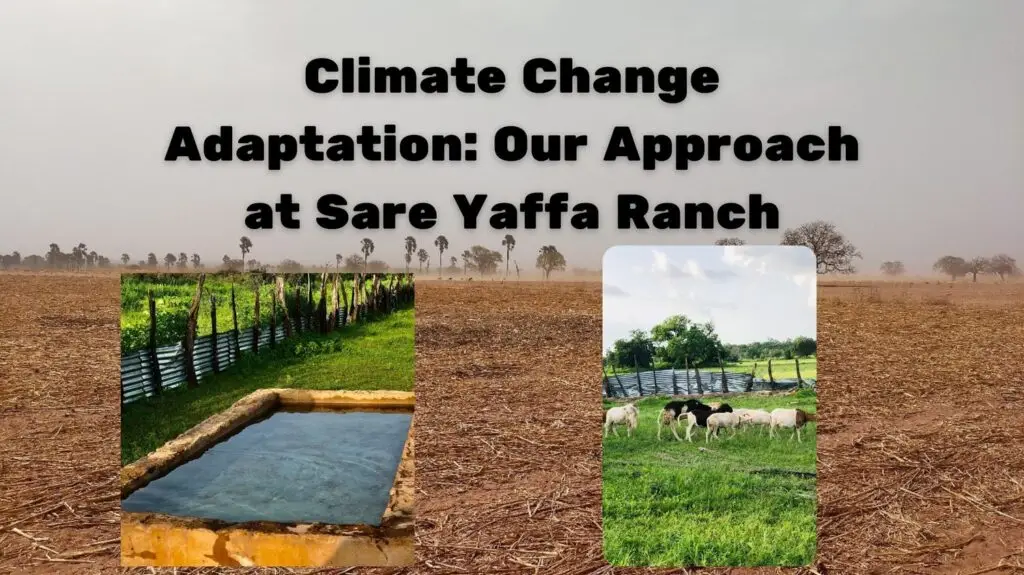
Sare Yaffa Ranch employs a borehole water system to provide reliable hydration year-round, combating prolonged dry seasons and ensuring livestock health even during water scarcity. For feeding, animals receive wheat bran and water each morning before grazing; herders then lead them to natural grass in the wild, followed by wheat bran and ranch grass upon return during the rainy season. In the dry season, as grasses dry out, the diet shifts to groundnut hay and wheat bran, with plans underway to introduce dedicated pastures on the ranch for greater self-sufficiency.
Trees throughout the ranch offer shade for animals, act as windbreaks to reduce heat stress, and protect the environment; a dedicated forester waters them daily to maintain coverage. Animal waste is distributed to local farmers, especially women, for garden use, recycling
nutrients into the soil to control methane emissions from cow dung while boosting village livelihoods and cutting climate impacts. The ranch serves as a teaching laboratory for the community and Gambia at large, demonstrating resilient practices, while regular medical check-ups, medicines, and nutrient-rich feed keep herds exceptionally healthy.
Conclusion
Sare Yaffa Ranch demonstrates that climate adaptation thrives through community-driven innovation and simple, scalable solutions tailored to Gambia’s rural realities. By securing water, optimized feeding, and circular waste systems, the ranch not only safeguards livelihoods but inspires neighboring farms to adopt resilient practices amid escalating climate threats. As global support grows for such models, Sare Yaffa’s story calls for increased investment in local adaptation to foster food security and prosperity across The Gambia.
Visit Sare Yaffa Ranch to purchase healthy sheep and cattle for your business or household needs. Learn from our proven model by subscribing to our blog and stay connected with cutting-edge adaptation strategies that you can replicate.
Visit Sare Yaffa Ranch to purchase healthy sheep and cattle for your business or household needs.
Learn from our proven model by subscribing to our blog and stay connected with cutting-edge adaptation strategies that you can replicate.